
Receiving an ALS diagnosis can be overwhelming. You may need time to process and absorb everything that is going on before you feel ready to tell others. And you may want to take this time to figure out the best way to tell your family and friends. If you are working, you will also want to understand when the best time may be to let your employer know about your diagnosis.
How and when should I tell family and friends?
Deciding how you will tell family and friends is very individual and will depend on you and your relationships. You may want to think ahead of time about what you want to say and how you want to say it. There is no one right way to do this. Keep in mind that people’s reactions may vary.
Telling family and friends may open the door for love and support that can help you through this difficult time. If you are unsure or worried about how to tell people about your diagnosis, talk with your ALS clinic social worker or a local ALS organization representative for guidance.
Telling family and friends may open the door for love and support that can help you through this difficult time. If you are unsure or worried about how to tell people about your diagnosis, talk with your ALS clinic social worker or a local ALS organization representative for guidance.
|
|
|
How should I tell my child or teenager?
You know your child best, so you will know the best way to deliver the news. That said, it is important to plan what you will say and how you will say it.
What you say should be honest and age appropriate. For young children, you may want to speak in simpler terms about what is happening now and may not need to go into much detail yet about the future. Older kids and teenagers will need more information and likely have follow-up questions. They may also go online to learn more, so it’s best for them to get clear, straightforward answers from you first.
You might find it helpful to learn more about ALS ahead of time so you can answer questions about the disease. To calm some potential fears, you may want to cover some basic facts up front, such as the fact that ALS is not contagious.
Be clear that you are always available to answer questions and talk more about it. Also let them know that it is fine if they want to talk to someone other than you, such as another adult in their lives or a child counselor or psychologist. There are also children’s support groups. Remember to inform your children’s teachers about your diagnosis and discuss ways the school can help provide support.
As the disease progresses, keep in mind that your children may welcome opportunities to help by providing care and support and assuming more responsibilities around the house.
The following resources go into greater detail and may be helpful for you and your family:
What you say should be honest and age appropriate. For young children, you may want to speak in simpler terms about what is happening now and may not need to go into much detail yet about the future. Older kids and teenagers will need more information and likely have follow-up questions. They may also go online to learn more, so it’s best for them to get clear, straightforward answers from you first.
You might find it helpful to learn more about ALS ahead of time so you can answer questions about the disease. To calm some potential fears, you may want to cover some basic facts up front, such as the fact that ALS is not contagious.
Be clear that you are always available to answer questions and talk more about it. Also let them know that it is fine if they want to talk to someone other than you, such as another adult in their lives or a child counselor or psychologist. There are also children’s support groups. Remember to inform your children’s teachers about your diagnosis and discuss ways the school can help provide support.
As the disease progresses, keep in mind that your children may welcome opportunities to help by providing care and support and assuming more responsibilities around the house.
The following resources go into greater detail and may be helpful for you and your family:
|
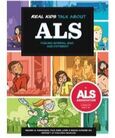
The ALS Association has a graphic novel for children, a book for teens, a guide for parents about talking with and supporting children, and a guide for educators working with children impacted by ALS. You can download or order these youth education books and guides.
|
|
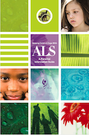
The ALS Society of Canada has thoughtful guides for parents, children, teens, and educators, all with the goal of helping young people cope when a family member is diagnosed with ALS. You can download these printable PDF booklets.
|

|
Hope Loves Company is a nonprofit organization based in New Jersey that provides educational and emotional support to children and young adults who have or had a loved one with ALS. Every year, HLC hosts three-day camps at no cost. Learn more.
|
Inheritance of Hope (IoH) is a national charity with the mission of inspiring hope in young families facing the loss of a parent. IoH serves these children and their families with resources and relationships for the challenges they face. Through online, on-site, and on-going offerings, families faced with an ALS diagnosis can find community and support with others who “get it.”
What should I tell my employer?
|
This will likely depend on the progression of your symptoms and your type of work. If your symptoms are apparent or are affecting your ability to do your job, you may need to talk with your employer sooner. Before talking with your employer, you may want to strategize with the social worker at your ALS clinic or local ALS organization.
|
|
If you want to continue working for financial, professional, social, or other reasons, your employer may be able to make workplace accommodations that will help you work as long as possible.
Keep in mind that once you stop working, you can apply for Social Security Disability Insurance. If you qualify, it will provide you with a monthly income as well as health insurance through Medicare. The waiting period for people diagnosed with ALS has been eliminated, so you should begin receiving your benefits soon after applying.
Learn more about employment considerations, including disability insurance and health insurance, on our employment page.
Keep in mind that once you stop working, you can apply for Social Security Disability Insurance. If you qualify, it will provide you with a monthly income as well as health insurance through Medicare. The waiting period for people diagnosed with ALS has been eliminated, so you should begin receiving your benefits soon after applying.
Learn more about employment considerations, including disability insurance and health insurance, on our employment page.