Your ALS Guide
  • Home
  • Get Started
    • Learn About ALS
    • Newly Diagnosed
    • People with ALS
    • Veterans with ALS
    • Caregivers
    • Paid Caregivers
  • Planning
    • Health Insurance
    • Employment
    • Self-Care
    • Medical Decisions
    • Research and Clinical Trials
    • Care Options
    • Advance Directives
    • Legacy
    • Transportation
    • Home Modifications
    • Travel
  • Guides
    • Home & Daily Living
    • Newly Diagnosed
    • Respiratory
    • Power Wheelchairs
    • Communication
    • Braces
  • Equipment
    • ALS Equipment Guide
    • Mobility
    • Transfer Devices
    • Ramps and Lifts
    • Toileting Devices
    • Tub and Shower Devices
    • Braces and Splints
    • Grooming Devices
    • Dressing Aids
    • Eating Devices
    • Drinking Devices
    • Sleeping and Beds
    • ALS Smart Home Devices
    • Leisure Devices
    • ALS Equipment Loan Closets
  • Resources
    • ALS Clinics
    • Support Services
    • Support Groups
    • For Professionals
    • Newsletter
    • Get Involved
    • Resource List
  • About
    • Our Story
    • Myna's Story
    • Our Team
    • Testimonials
    • Contact Us
  • Home
  • Get Started
    • Learn About ALS
    • Newly Diagnosed
    • People with ALS
    • Veterans with ALS
    • Caregivers
    • Paid Caregivers
  • Planning
    • Health Insurance
    • Employment
    • Self-Care
    • Medical Decisions
    • Research and Clinical Trials
    • Care Options
    • Advance Directives
    • Legacy
    • Transportation
    • Home Modifications
    • Travel
  • Guides
    • Home & Daily Living
    • Newly Diagnosed
    • Respiratory
    • Power Wheelchairs
    • Communication
    • Braces
  • Equipment
    • ALS Equipment Guide
    • Mobility
    • Transfer Devices
    • Ramps and Lifts
    • Toileting Devices
    • Tub and Shower Devices
    • Braces and Splints
    • Grooming Devices
    • Dressing Aids
    • Eating Devices
    • Drinking Devices
    • Sleeping and Beds
    • ALS Smart Home Devices
    • Leisure Devices
    • ALS Equipment Loan Closets
  • Resources
    • ALS Clinics
    • Support Services
    • Support Groups
    • For Professionals
    • Newsletter
    • Get Involved
    • Resource List
  • About
    • Our Story
    • Myna's Story
    • Our Team
    • Testimonials
    • Contact Us
ALS POWER WHEELCHAIR GUIDE

Tilting and Reclining


One of the main benefits of custom power wheelchairs is their ability to tilt and recline. This feature will help you relieve pressure on your back, rear, shoulders, and thighs.

​Tilting and reclining once every 15-20 minutes will improve your circulation and help prevent bedsores, which are uncomfortable—and often lingering—injuries to skin and tissue that are caused by prolonged pressure on one area.


Staying in bed all day can lead to bedsores, edema (swelling caused by fluid trapped in your tissues), and depression. During the day, we encourage you to spend as much time in your custom power wheelchair as you are comfortable, both for your body and your mind. You will be more engaged with life and with others, and can still take naps and relax.

​
Ask your assistive technology professional (ATP) or physical or occupational therapist for training on how to tilt and recline as well as how to return to a seated position.


​If, for any reason, a tilt-and-recline power wheelchair will not work for you, you may want to ask about manual tilt-in-space wheelchairs. These chairs do not have the same functionalities as a custom power chair, but they will give you the ability to tilt and relieve pressure.

Update: Power-Elevating Seats Are Now Covered

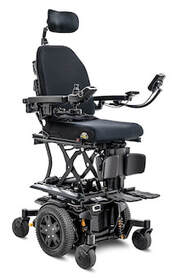
Power-elevating seats allow you to rise vertically in your power wheelchair, which can make it easier to transfer, socialize, and perform activities of daily living.

Until recently, The Centers for Medicare & Medicaid Services (CMS) did not cover power-seat elevators. But it reversed course, and as of May 2023, Medicare will now cover seat-elevation devices because it deems them medically necessary for people who meet certain conditions. Learn more
Picture


ALS POWER WHEELCHAIR GUIDE


Power Mobility Devices
​Qualifying and Ordering
Insurance Coverage
Home Accessibility
Tilting and Reclining​
Electronic Controls

Driving Tips
Alternate Controls
Making Adjustments
Battery Charging

​Attachments/Accessories
Transporting Your Chair

Traveling By Plane


NEWLY DIAGNOSED | HOME & DAILY LIVING | RESPIRATORY | WHEELCHAIRS | BRACES

Picture
Picture
Subscribe
LEARN
About ALS
Self-Care
Care Options
Medical Decisions
​Health Insurance
​
Transportation
GUIDES
Newly Diagnosed
Home & Daily Living
Respiratory
Braces
​Power Wheelchairs
Communication
RESOURCES
​ALS Clinics
Support Services
Support Groups
​
​For Caregivers
​
​For Professionals
​Resource List
ABOUT
​Our Story
Myna's Story
Newsletter
Testimonials
​
Licensing
​Contact Us
Copyright © 2025 Your ALS Guide | All rights reserved | Privacy Policy