
Veterans Living with ALS |
|
|
Because of your service, you should qualify for VA benefits that will help pay for the majority of your expenses associated with ALS. These benefits are available because the VA listed ALS as a service-connected disease in 2008. Studies have shown that military veterans are 1.5 to 2 times as likely as civilians to be diagnosed with ALS.
|
|
Am I eligible?
If you have been diagnosed with ALS, served in the U.S. military for 90 or more consecutive days of active duty, and have been honorably discharged, you will likely be eligible for special service-connected benefits.
What are service-connected benefits?
If you qualify, you can receive numerous benefits through the VA, including:
- Access to VA multidisciplinary ALS clinics
- Durable medical equipment
- Disability compensation
- A specially-adapted housing grant
- An automobile grant
ALS Clinics at the VA
In many areas of the country, VA medical centers and outpatient clinics provide veterans with access to medical care. A growing number of VA medical centers have ALS clinics with teams of ALS specialists who provide coordinated care for veterans. Attending one of these clinics can extend your life and improve your quality of life. Learn more.
Can I attend an ALS clinic before getting approved?
Yes, it is very important to begin attending an ALS clinic as soon as possible after your diagnosis. Even if you have not yet been approved for service-connected benefits, you can request a referral to VA ALS clinics and services as long as you have a confirmed ALS diagnosis and supporting documentation. There is an established process that can get you the care you need while you are waiting for approval. A VA staff person, often a social worker or nurse care coordinator, should be able to guide you through the process and discuss your options.
Can I attend a non-VA ALS clinic?
Yes. You can choose to go to a community ALS clinic, though most veterans eventually make the transition to the VA because all their care and benefits can be coordinated in one place. If you choose to attend an ALS clinic outside of the VA, you will need to use other insurance to pay for your care. If there is no VA ALS clinic in your area, your local VA may make a referral and pay for you to attend a community ALS clinic.
How do I apply for service-connected benefits?
|
To apply for your service-connected benefits, we strongly recommend reaching out to a veterans service organization like the Paralyzed Veterans of America (PVA) or Disabled American Veterans (DAV). Navigating the VA system on your own can be a confusing and frustrating process. PVA or DAV can be your advocate—they will explain your benefits, answer questions, give you tips, help you with paperwork, and expedite your application, which may take 90 days or so to get approved.
While waiting for your benefits, you should get connected with a local ALS organization. You can receive support from the VA and your local ALS organization at the same time. When the VA accepts your application and approves your service-connected benefits, you will automatically get an appointment within 30 days. You will also be assigned a social worker/case manager and primary doctor. |
|

Resources Created by Veterans Living with ALS
Based on research and personal experience, the Veterans Team at I AM ALS has created the following documents to help you navigate the VA and your ALS journey:
I AM ALS also hosts a monthly virtual support group for veterans.
Can I receive VA benefits and Medicare benefits?
Yes. In addition to your VA benefits, you can also qualify for and receive Medicare benefits—as long as you are eligible. Medicare can help you pay for services outside the VA system that the VA might not cover, such as visits to non-VA ALS clinics or other medical professionals. If you don’t qualify for Medicare, you will still receive full coverage within the VA system.
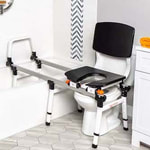
Accessible Tub and Shower SolutionsTransfer Benches | Rolling Shower Chairs | Tub and Shower Transfer Systems
Get a 10% discount on SolutionBased products. LEARN MORE |
|
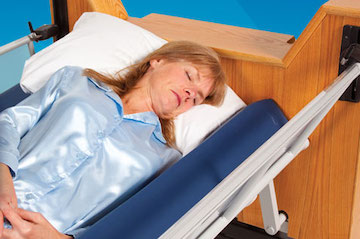
The Freedom BedThis programmable, rotating bed from ProBed eliminates the need for manual turning and repositioning, which can help you and your caregiver sleep through the night. Learn more
|
|
Can I receive VA benefits and Medicaid benefits?
When you are diagnosed with ALS and start receiving monetary disability compensation from the VA, you will no longer qualify for Medicaid benefits. If you also have Medicare, that will continue to be your primary insurance and the VA will become secondary.
What else should I know?
Most of the information on this website will also pertain to you as a veteran. We encourage you to explore Your ALS Guide to learn about ALS, self care, medical decisions, medical equipment, and more. If you have been diagnosed in the past few months, start with our Newly Diagnosed Guide.
Interview with Jeremy Van Tress
|
Jeremy is a US Army veteran who earned a PhD in social work after his ALS diagnosis. He then started a nonprofit to provide online support for people living with ALS. In his interview with Your ALS Guide, Jeremy tells his story, shares how he's coped, and offers advice to others. See interview.
|
|